


By Andrea Scaglione
Sep 17, 2026
Alex Eala has chosen to play the Asian Games instead of the China Open, a mandatory WTA 1000 for players who qualify for the main draw.
At first glance, it looks like another scheduling problem. It is more interesting than that, because the Asian Games are also part of the qualification pathway for Los Angeles 2028.
The men’s and women’s singles champions at the Asian Games can secure an ITF Place at the Olympics, provided they meet the relevant eligibility criteria. That means Eala is caught between two systems that are creating competing incentives in the same week.
On one side, the WTA requires eligible players to compete at certain major tournaments. Missing a mandatory WTA 1000 without an exemption can carry ranking consequences and other penalties. On the other, the ITF has made continental competitions part of the Olympic qualification system, giving players a significant reason to prioritise them.
Eala is effectively being asked to choose which set of incentives to follow.
If she plays Beijing, she protects her ranking interests and fulfils her WTA obligations, but gives up an opportunity that could secure her a route to the 2028 Olympics. If she plays the Asian Games, she is acting perfectly rationally within the ITF’s Olympic qualification system, but risks consequences from the professional tour.
Taken separately, both organisations have a reasonable logic.
The WTA wants the best players at its biggest tournaments. A WTA 1000 loses value if leading players can simply choose not to participate.
The ITF, meanwhile, wants national and continental competitions to matter. If those events are going to form part of the Olympic qualification system, the incentive attached to them has to be meaningful enough for players to take them seriously.
The problem is that the two systems end up asking incompatible things of the same player at the same time. And that is a good illustration of what the tennis calendar actually is: not one calendar, governed by one set of priorities, but several competing interests laid on top of each other.
The WTA protects its biggest tour events. The ITF protects the Olympics and international competition. National federations want their best players representing their countries at continental events.
Each objective makes sense on its own.
Together, they can produce a situation in which the player has no choice that satisfies everyone.
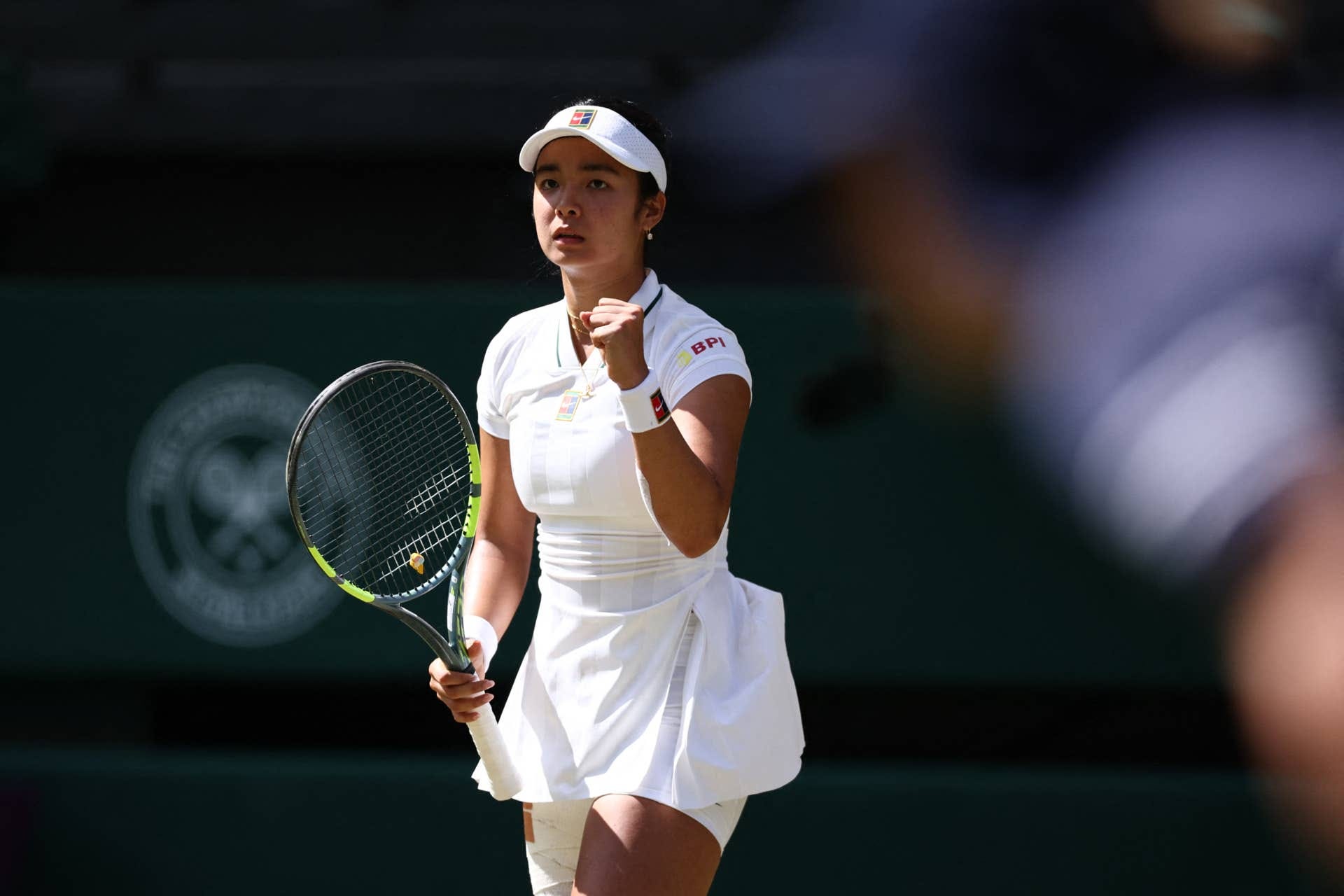
Eala has chosen the Asian Games. Another player might choose Beijing.
But whichever choice a player makes, something has to be sacrificed. Eala has simply made a contradiction that usually remains hidden much easier to see.


Follow Us